
The American Society of Plastic Surgeons reports that minimally invasive cosmetic procedures have consistently outnumbered surgical cosmetic procedures in recent years, reflecting growing public interest in treatments that require less downtime while addressing both appearance and overall wellness goals.
Preventive medicine and aesthetic healthcare are increasingly intersecting as people seek ways to maintain skin health, address early signs of aging, and support long-term well-being before more significant concerns develop. Educational resources play an important role in this process, and some individuals visit the Amenity Esthetics website alongside professional medical resources when researching treatment options, skincare information, and wellness-focused services. This trend reflects a broader shift toward proactive healthcare rather than waiting for problems to become more advanced.
Healthcare professionals increasingly recognize that preventive strategies can extend beyond traditional screenings and lifestyle counseling. Skin health, stress management, and early intervention for age-related changes are becoming part of wider conversations about quality of life. While aesthetic medicine is often associated with appearance enhancement, many non-surgical treatments are also discussed within preventive health frameworks because they encourage regular monitoring, patient education, and healthier self-care habits.
Growth of Minimally Invasive Medical Treatments
The popularity of minimally invasive treatments has expanded significantly over the past two decades. Data from the American Society of Plastic Surgeons shows continued growth in procedures such as neuromodulator injections, soft tissue fillers, laser treatments, and chemical peels. Several factors contribute to this trend.
One major factor is convenience. Many non-surgical procedures can be completed in less than an hour, allowing patients to return to daily activities relatively quickly. Another reason is the gradual nature of results. Instead of dramatic changes associated with some surgical interventions, many patients prefer subtle improvements that develop over time.
Technological advancements have also improved treatment precision and safety. Modern laser systems, radiofrequency devices, and ultrasound-based technologies allow practitioners to target specific tissues with greater accuracy than earlier generations of equipment. Research published through organizations such as the American Academy of Dermatology highlights ongoing improvements in treatment customization for different skin types and concerns.
Consumer awareness has grown as well. Access to educational content, professional medical websites, and peer-reviewed health information enables individuals to learn more about available options before scheduling consultations.
Common Procedures Used for Skin Health, Aging Concerns, and Wellness Support
Non-surgical treatments encompass a broad range of procedures designed to address cosmetic concerns, support skin health, and promote confidence. While treatment goals vary among patients, several categories are commonly discussed within aesthetic medicine.
Injectable Treatments
Neuromodulators are frequently used to reduce the appearance of dynamic wrinkles caused by repeated facial muscle movements. These treatments are commonly performed for forehead lines, frown lines, and crow’s feet.
Dermal fillers serve a different purpose. They are often used to restore volume loss associated with aging, enhance facial contours, and improve facial symmetry. The U.S. Food and Drug Administration (FDA) notes that approved filler products vary in composition, duration, and intended treatment areas.
Laser and Light-Based Therapies
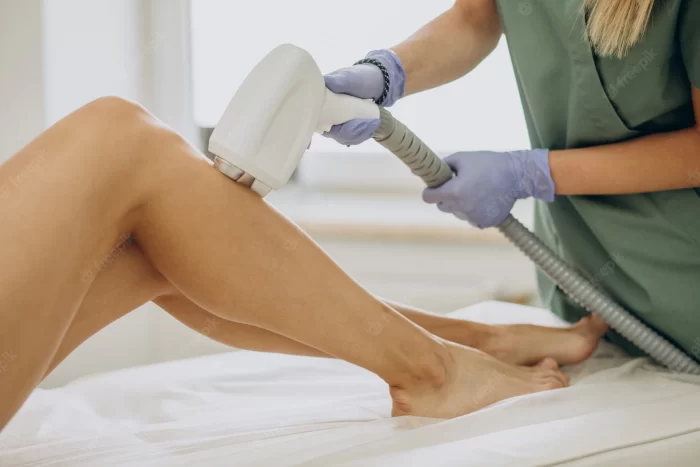
Laser procedures are commonly used to address pigmentation concerns, sun damage, vascular lesions, and skin texture irregularities. Certain treatments stimulate collagen production, which can contribute to improved skin firmness over time.
Light-based technologies such as intense pulsed light (IPL) are frequently used to reduce redness and uneven skin tone. Research published in journals supported by the National Institutes of Health indicates that properly selected laser treatments can produce measurable improvements in specific skin conditions.
Chemical Peels and Skin Resurfacing
Chemical peels involve applying specialized solutions to remove damaged outer skin layers. Depending on peel depth, treatments may help improve acne scars, discoloration, fine lines, and uneven texture.
Microdermabrasion and related resurfacing techniques offer additional options for individuals seeking gradual skin renewal with minimal recovery time.
Body Contouring Technologies
Non-invasive body contouring procedures use methods such as cooling, radiofrequency energy, or ultrasound technology to target localized fat deposits. These treatments are generally intended for body shaping rather than weight loss.
The FDA emphasizes that outcomes vary among individuals and should be discussed thoroughly during professional consultations.
Wellness-Oriented Services
Many wellness centers and aesthetic practices also incorporate services focused on relaxation, stress reduction, and skin maintenance. While these services are not substitutes for medical care, experts from the Centers for Disease Control and Prevention (CDC) note that stress management and healthy lifestyle practices can contribute positively to overall well-being.
Benefits of Non-Surgical Treatments
The growing interest in minimally invasive procedures is largely driven by several practical advantages.
- Shorter recovery periods compared with surgery.
- Lower procedural risk in many cases.
- Gradual and natural-looking outcomes.
- Flexibility to customize treatments.
- Opportunities for preventive skin maintenance.
- Potential improvements in confidence and self-perception.
Research published by the Mayo Clinic and other healthcare organizations suggests that satisfaction rates tend to be highest when patients maintain realistic expectations and clearly understand both benefits and limitations before treatment.
Limitations and Safety Considerations
Despite their popularity, non-surgical treatments are not appropriate for every concern. Some conditions may require surgical intervention to achieve desired outcomes. In other situations, treatment goals may exceed what minimally invasive options can realistically accomplish.
Results are often temporary. Injectable treatments, for example, typically require maintenance sessions. Laser therapies and resurfacing procedures may also involve multiple appointments before optimal results become visible.
Safety remains an important consideration. Even procedures considered minimally invasive carry potential risks such as bruising, swelling, infection, allergic reactions, or unsatisfactory cosmetic outcomes. The FDA advises patients to verify practitioner qualifications, discuss product approvals, and understand possible complications before proceeding.
Experts from the American Academy of Dermatology also emphasize the importance of individualized treatment planning. Factors such as medical history, medications, skin type, and personal goals should all be evaluated before selecting a procedure.
How Patients Research Providers and Treatment Options
The internet has transformed how people learn about preventive and aesthetic healthcare. Patients commonly consult medical associations, government health agencies, peer-reviewed publications, and provider websites before scheduling appointments.
Professional resources from organizations such as the American Academy of Dermatology, the FDA, and the National Institutes of Health remain valuable sources of evidence-based information. At the same time, provider websites, online reviews, educational blogs, and consultation materials often help patients understand available services and treatment approaches.
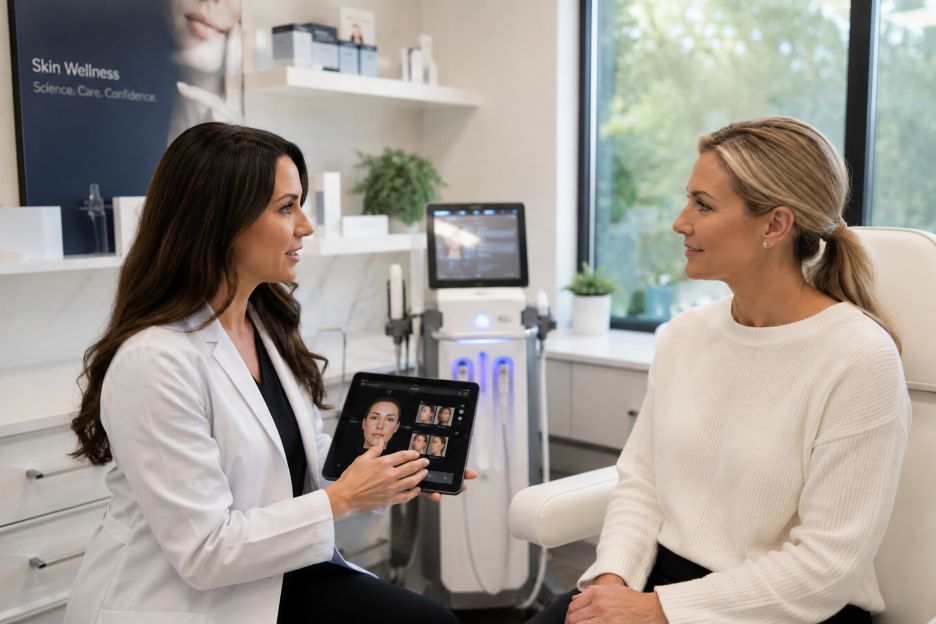
Healthcare experts generally recommend comparing multiple sources, verifying practitioner credentials, and asking detailed questions during consultations. Careful research can help individuals make informed decisions that align with their goals, budget, and health needs.
READ ALSO: Med Spas | A Modern Approach to Preventive and Restorative Aesthetic Medicine
Conclusion
Non-surgical treatments have become an increasingly important component of modern preventive and aesthetic medicine. Advances in technology, growing public awareness, and demand for less invasive solutions have contributed to the expansion of treatments addressing skin health, aging concerns, and wellness-related goals.
While minimally invasive procedures offer meaningful benefits for many individuals, they also have limitations and require thoughtful evaluation. Reliable medical information, qualified healthcare professionals, and realistic expectations remain essential parts of the decision-making process. As preventive healthcare continues to evolve, aesthetic and wellness-focused services will likely remain part of broader discussions about maintaining health, appearance, and quality of life throughout adulthood.







 Neuromodulator injections for wrinkles reduction
 International doctors face unique challenges when seeking to practice medicine in the United States. The journey to secure the right visa or green card can be complex, filled with legal hurdles and paperwork. For medical professionals aiming to join hospitals or research facilities, the process often feels overwhelming. A skilled visa lawyer becomes an essential ally, guiding doctors through the intricate immigration system to achieve their professional dreams. With expertise in U.S. immigration law, these attorneys help streamline applications, ensure compliance, and increase the chances of approval, allowing doctors to focus on their medical careers.





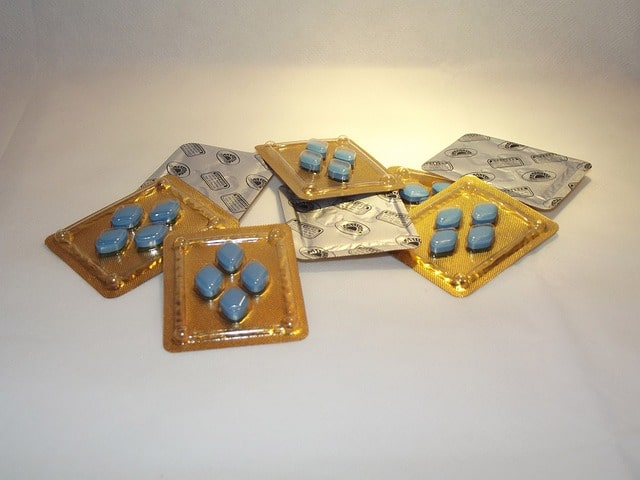
 Some penis enlargement pills also contain sildenafil, the active ingredient in medications for erectile dysfunction (ED) such as Viagra. However, sildenafil may be dangerous especially when consumed in high doses for people with heart problems or are taking medications for high blood pressure. But, safety or efficacy report for these supplement is actually not needed as it is not classified as a medication. The determination of the possible health effects of these supplements is highly challenging due to the inappropriate ingredient or quantity to be stated on the label.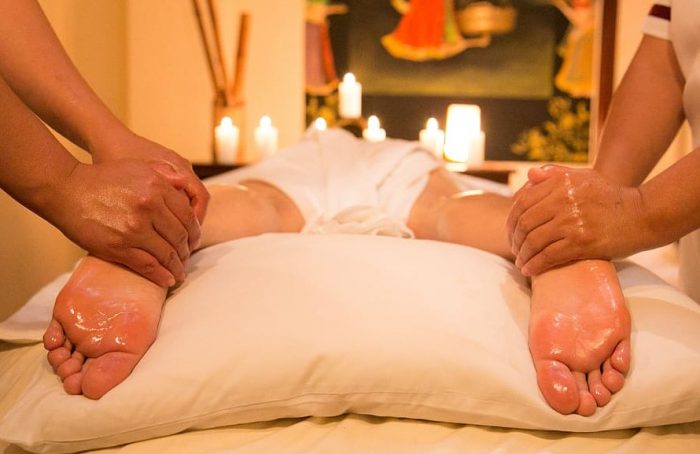




 While the use of human growth
  Available reports have it that the therapeutic dose injected on Japanese patients with short stature issues, is said to be lower than the doses prescribed in European and US growth therapy clinics.

 Magnesium Taurate. Described as a chelated mineral, it helps the mind shift and stay in a more relaxed state; therefore allowing the body to function while in manageable and healthy stress levels.
 While most foods have an abundance of magnesium nutrients to offer, those who encounter difficulty in absorbing magnesium electrolytes in the body, are likely to develop magnesium deficiency. As a result, such inability could result to the following health problems:
 As treatment, MgT therapy aims to improve vasodilation dependent on endothelial layers. MgT can improve arterial muscle tones to withstand the effects of blood pressure. The results also suggest that as treatment, MgT helps restore the antioxidant defense system that prevents oxidative damage to the heart and its cardiac tissues.
