
Scientific studies show that spending time with calm animals can lower cortisol levels and reduce heart rate within minutes. This simple biological response explains why human–animal interaction is gaining attention beyond hospitals and therapy rooms. As cities grow denser and daily life becomes faster, people are seeking gentle, accessible ways to protect their mental health.
Urban wellness spaces have begun to reflect this shift, with animal cafés emerging as informal places for emotional reset. One example is the Capybara cafe Bangkok, which offers visitors the chance to sit quietly among relaxed animals in a garden-style setting. These spaces are not designed as treatment centers. Instead, they provide a pause from urban pressure, where calm behavior and slow movement shape the mood of the room.
Why Animal Interaction Calms the Mind
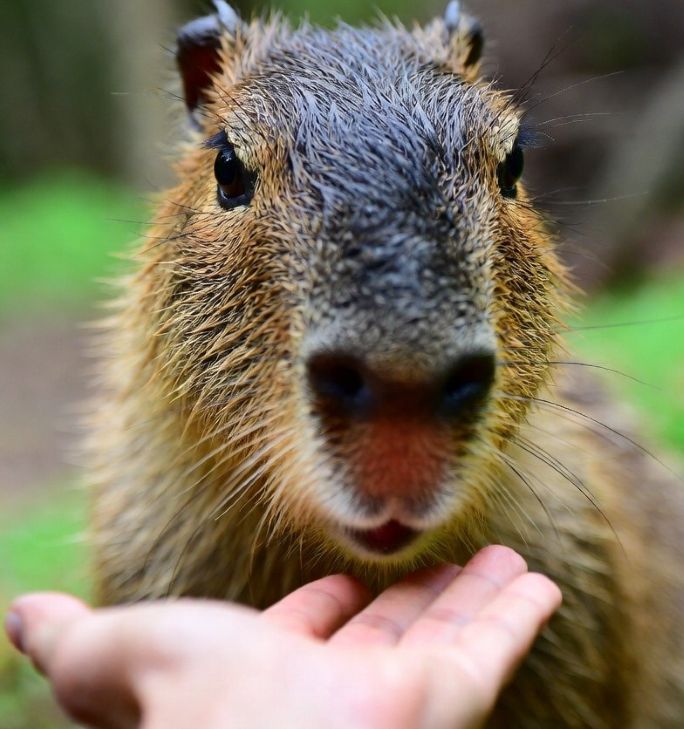
By combining animal welfare and relaxed social interaction, healing does not always require a prescription, sometimes it begins with stillness and shared presence.
Human brains respond strongly to animals that display non-threatening behavior. Research from institutions such as the National Institutes of Health has shown that gentle touch and visual contact with animals can increase oxytocin, a hormone linked to bonding and emotional stability. These findings align with broader discussions around alternative medicine for stress relief, where non-clinical, lifestyle-based approaches play a growing role in emotional health.
Animals like capybaras are especially effective because of their temperament. They move slowly, remain social without demanding attention, and show little aggression. Observing this calm behavior encourages visitors to mirror it, often without realizing it. Breathing slows. Muscles relax. Thoughts settle.
Non-Clinical Spaces and Emotional Safety
Many people avoid formal mental health settings due to stigma, cost, or discomfort. Urban animal cafés fill a different role. They remove the clinical atmosphere entirely. There are no white walls, no medical language, and no pressure to explain feelings.
Instead, visitors engage in passive interaction. Sitting nearby, watching animals rest, or gently feeding them under supervision creates emotional safety. This environment allows people to experience regulation without labels. The brain still receives the benefits, even when the activity feels casual.
Urban Stress and Lifestyle Medicine
Lifestyle medicine focuses on daily habits that support long-term health. Sleep, diet, movement, and stress management are key pillars. Animal-assisted interaction fits naturally into this approach. It works as a micro-intervention, small moments that lower tension before stress accumulates.
In busy cities, access to nature is often limited. Animal cafés recreate part of that connection in controlled settings. Places inspired by the Capybara cafe in Bangkok show how thoughtfully designed environments can deliver wellness benefits without claiming to cure illness. They complement existing routines, rather than replacing professional care.
Emotional Regulation Through Observation
One overlooked benefit of animal cafés is the power of observation. Watching animals eat, rest, or interact with each other provides grounding. The brain shifts attention away from screens and constant alerts. This focus on the present moment supports emotional regulation.
Psychologists often use similar techniques in mindfulness practices. The difference here is that the experience feels natural. Visitors are not instructed to meditate. The animals guide the pace through their behavior, making relaxation more accessible.
Responsible Design Matters
The therapeutic effect depends heavily on animal welfare. Ethical spaces prioritize rest periods, proper nutrition, and limited interaction. When animals are calm and healthy, visitors feel at ease. Stress in animals transfers quickly to humans, so responsible management is essential.
Successful animal cafés operate with clear boundaries. Staff monitor behavior, educate guests, and protect animals from overstimulation. This balance allows the environment to remain restorative for everyone involved.
A Complement, Not a Cure
Animal cafés should never be seen as replacements for therapy or medical treatment. Their value lies in support and prevention. They offer relief from everyday stress and help people reconnect with calm sensations that are often missing from city life.
As urban wellness continues to evolve, spaces like the Capybara cafe in Bangkok highlight how gentle experiences can support mental health. By combining animal welfare, thoughtful design, and relaxed social interaction, these cafés show that healing does not always require a prescription, sometimes it begins with stillness and shared presence.